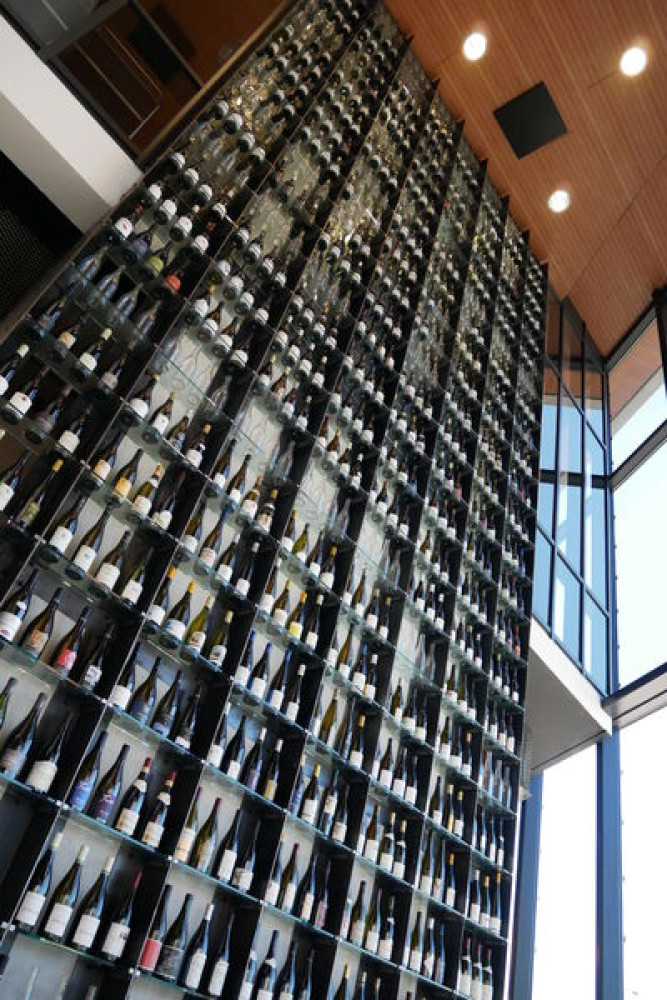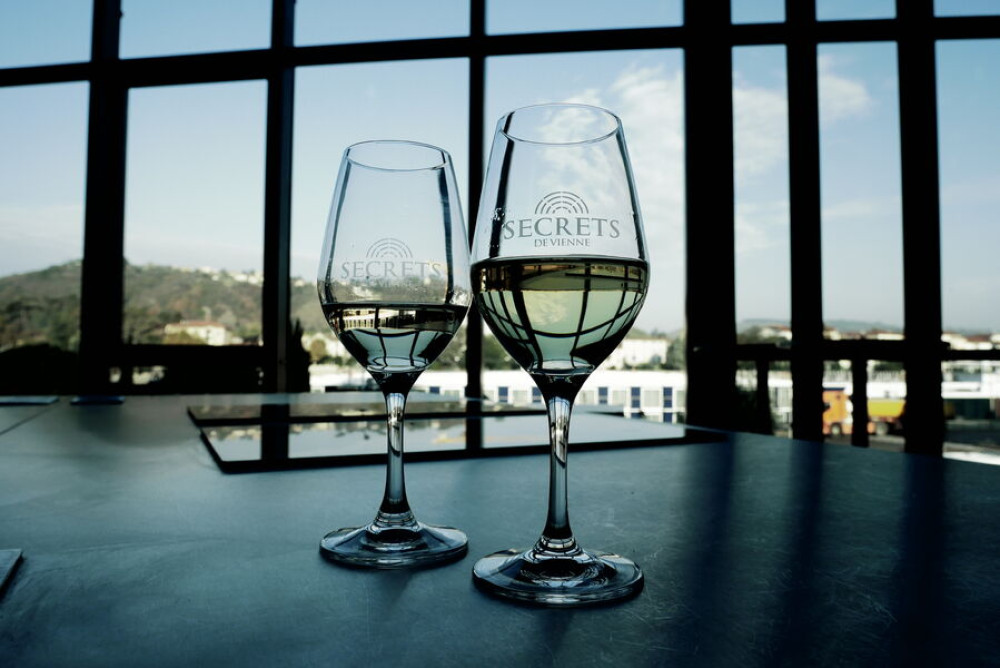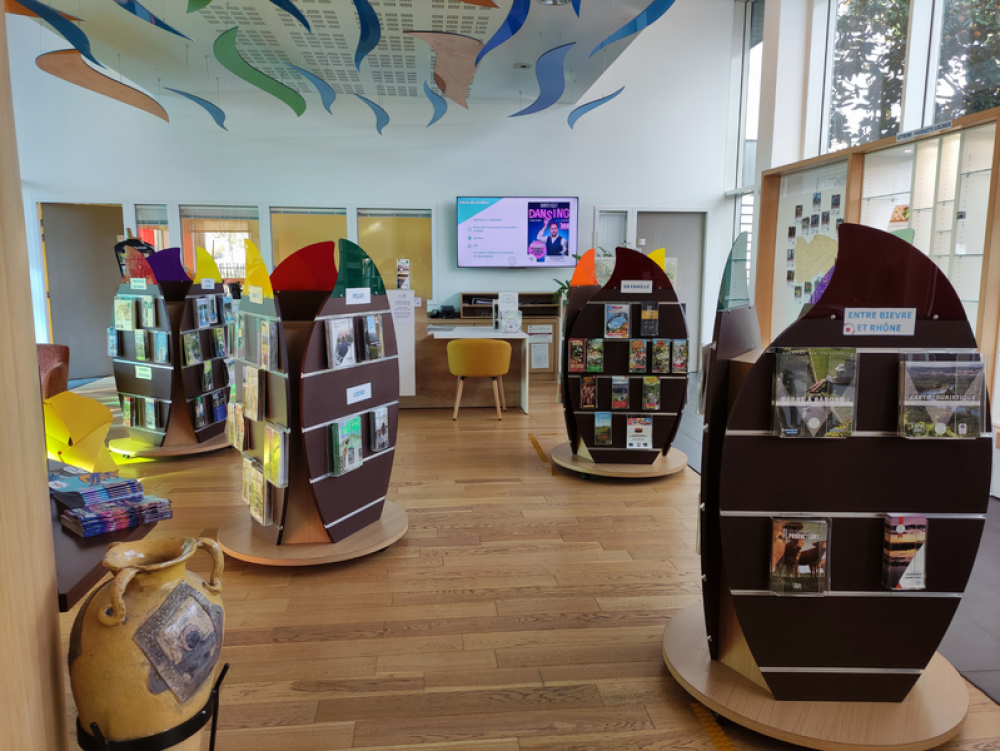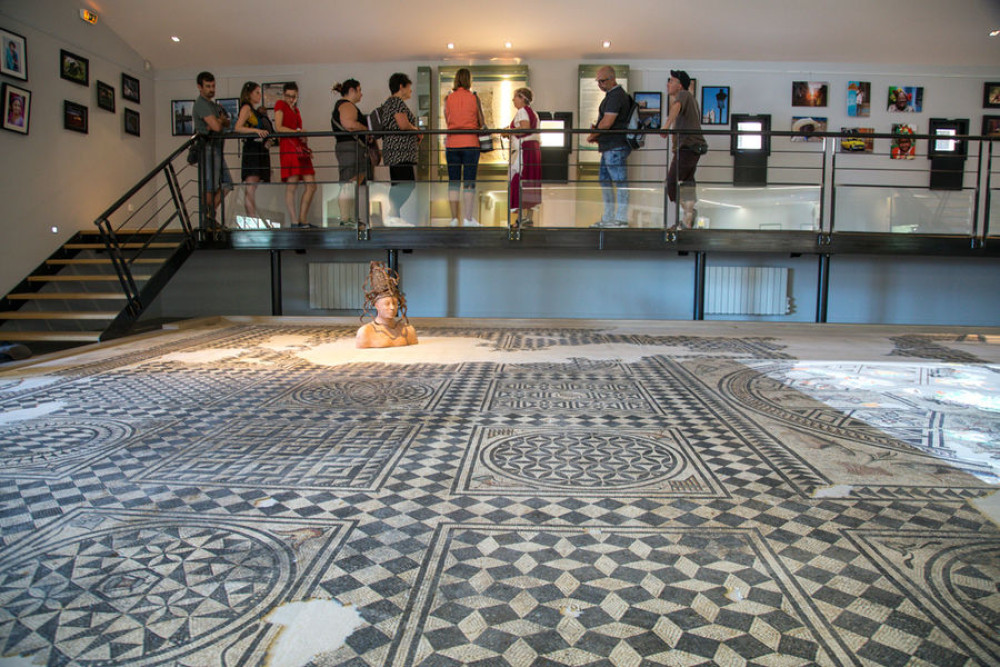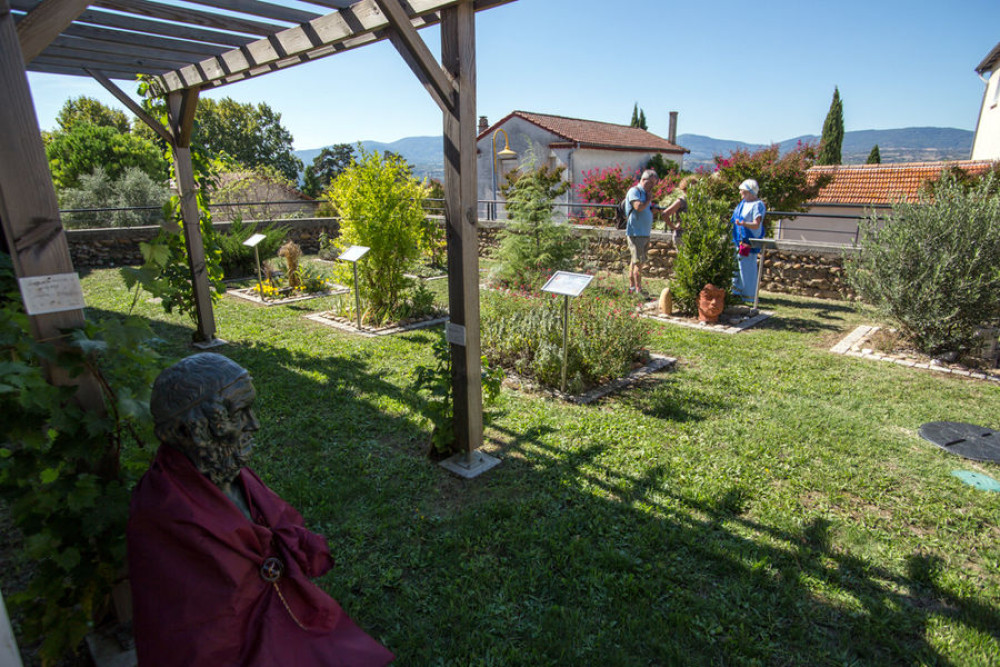
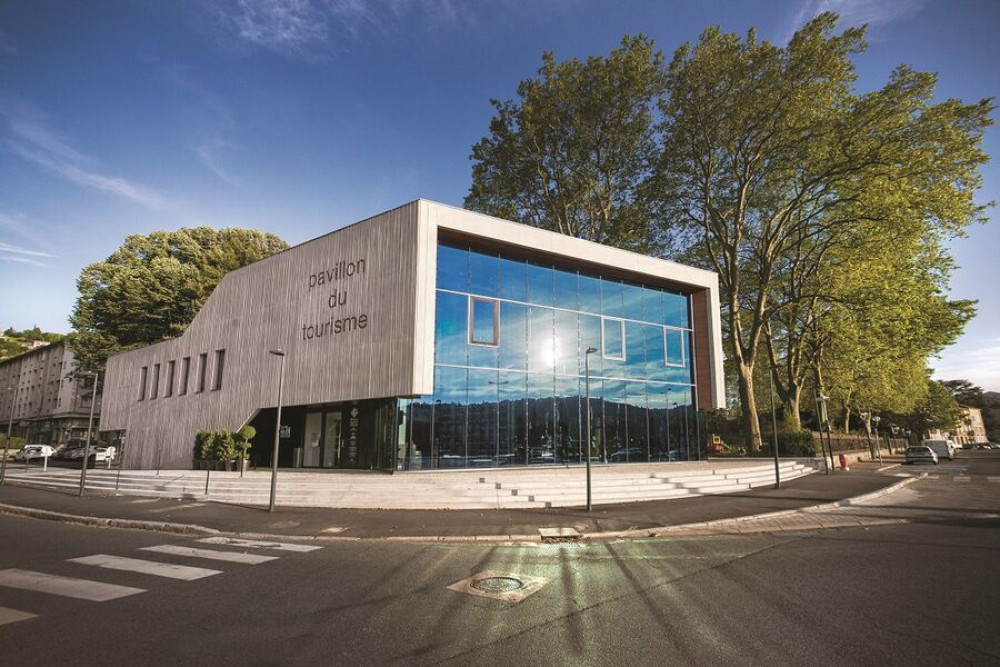
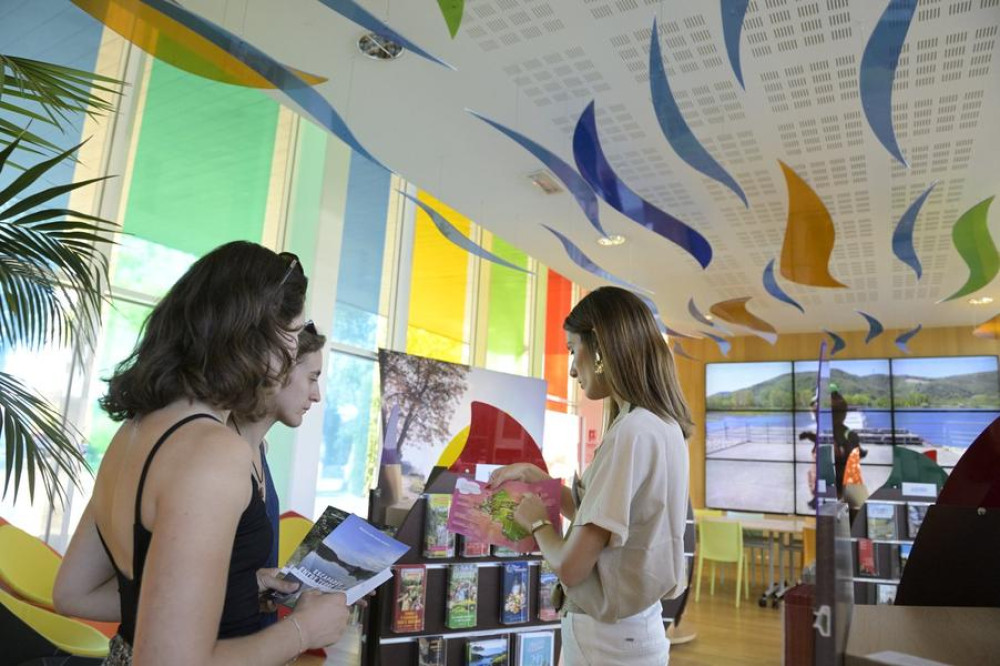
The Vienne Condrieu Tourisme teams, experts in advice and services, warmly welcome you to the Pavillon du tourisme, ideally located on the banks of the Rhône!Looking for tailor-made advice to help you organise your stay in Vienne Condrieu? Open the doors of the Tourism Pavilion! In this bright and welcoming space, admire an impressive wine wall over 10 metres high, housing almost 800 bottles!
Fancy exploring Vienna and the surrounding area by bike? Whether you're a fan of leisurely rides or adventures on the ViaRhôna, Vienne Condrieu Tourisme has mechanical and electric bicycles available for hire, by the day or half-day. And for a completely free escapade, take advantage of the Nannybag service to store your luggage in complete safety. This practical service allows you to travel light and make the most of your day.
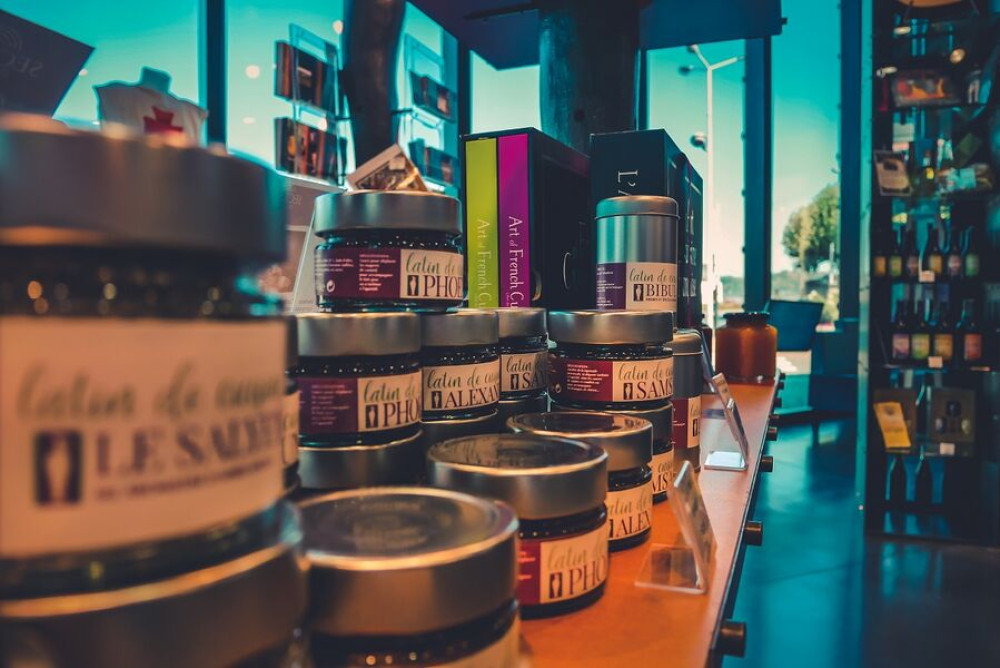
And if you're looking for a souvenir of your visit to Vienna, take a look in our shop! From gourmet delights and Roman wines to children's games, captivating books and handcrafted creations, you'll find something to please everyone... and yourself!



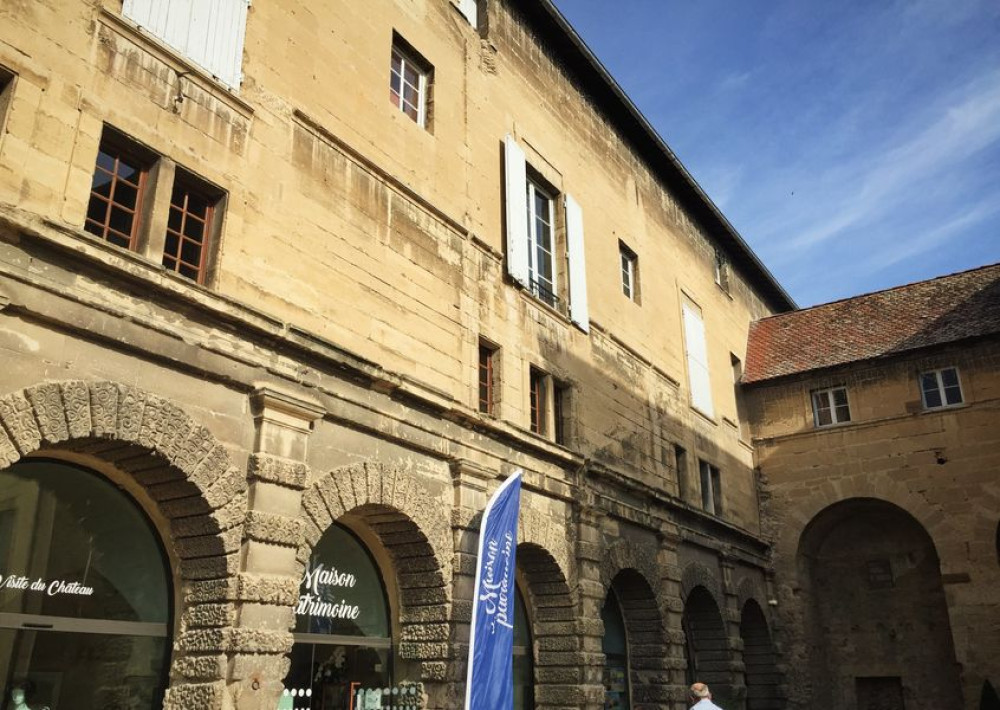
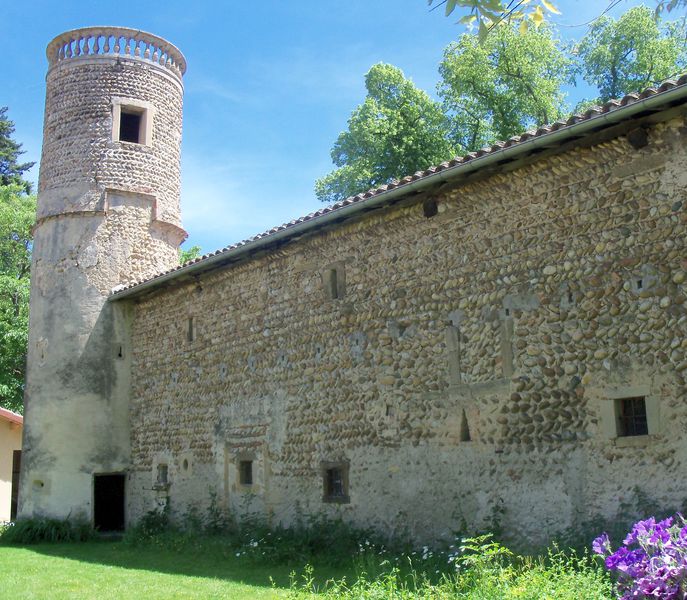
In the heart of the village of Jarcieu, the castle opened to the public in 2002. Built with local materials it bears some architectural elements from all the centuries of its history. You can enjoy an interactive guided tour of the castle, the tiles museum and the gardens.Period of opening : All year round, daily.
Canceled or closed because of Covid-19.Prices :
Group rate available for > 20 people.
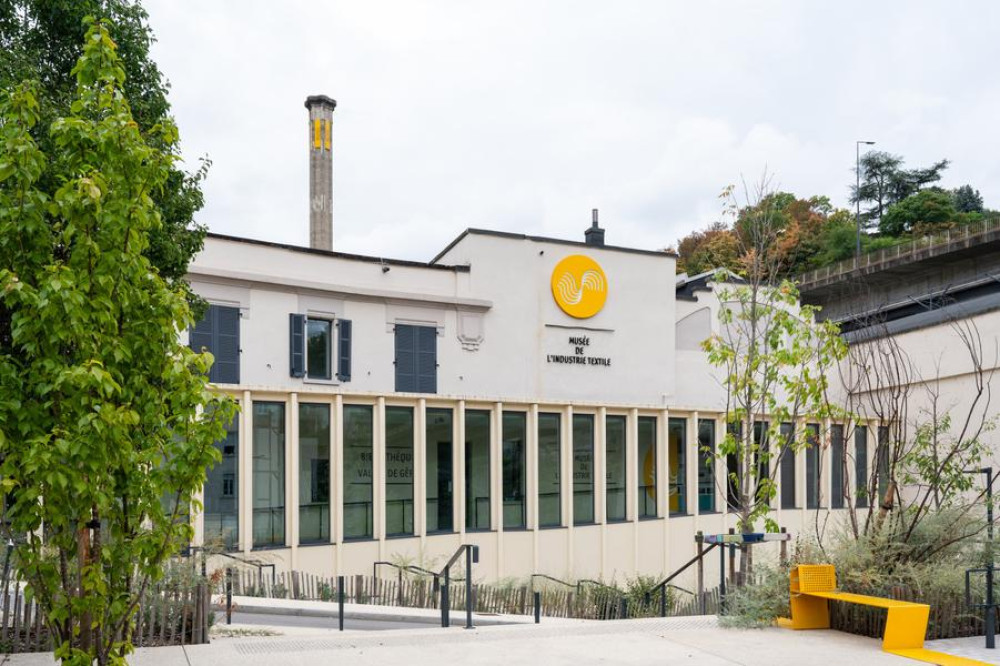
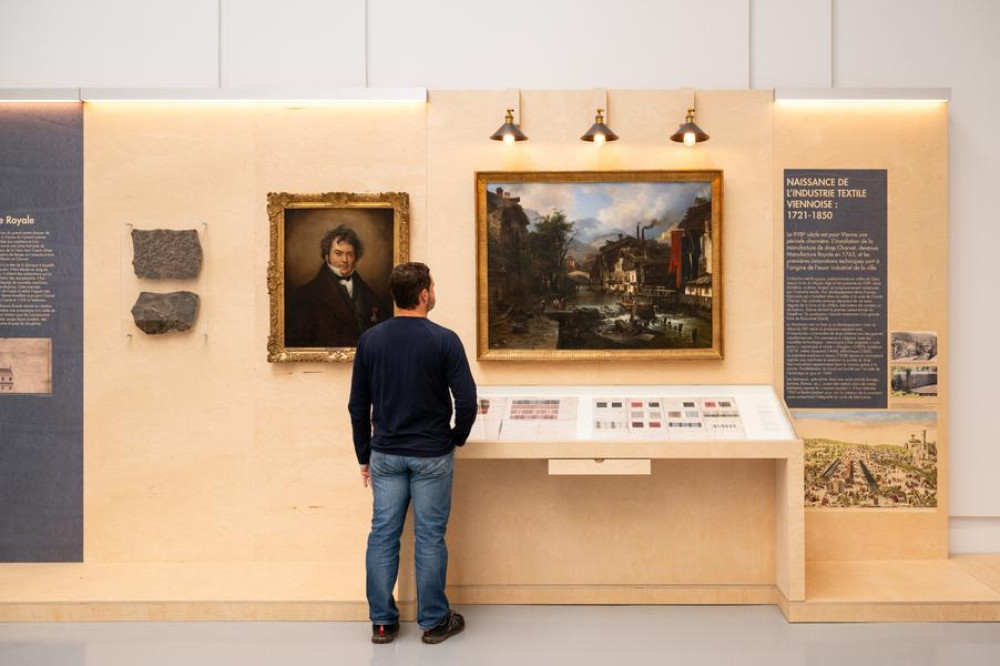
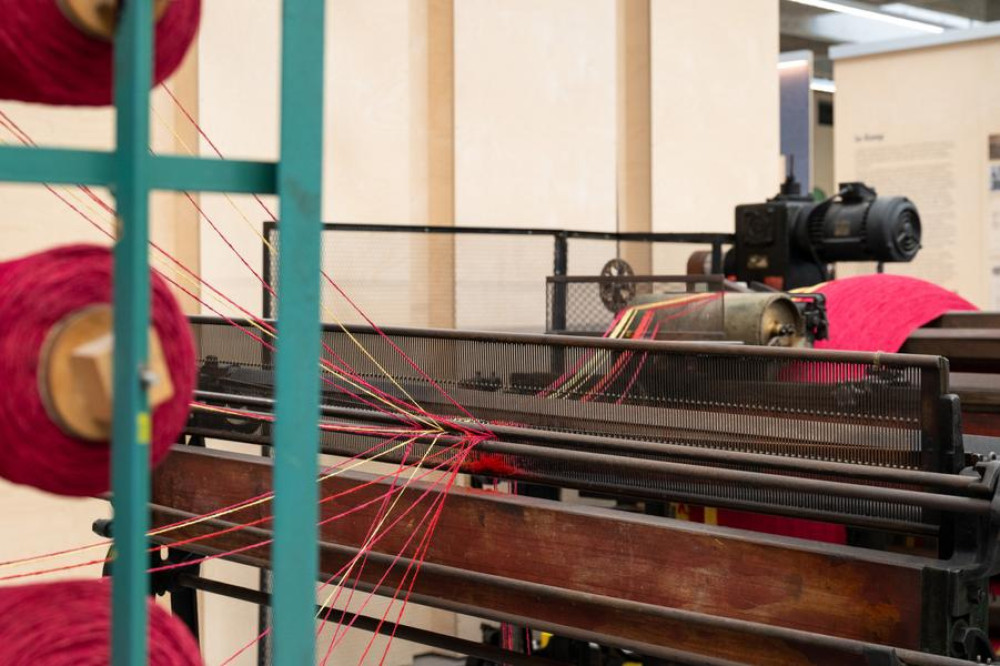
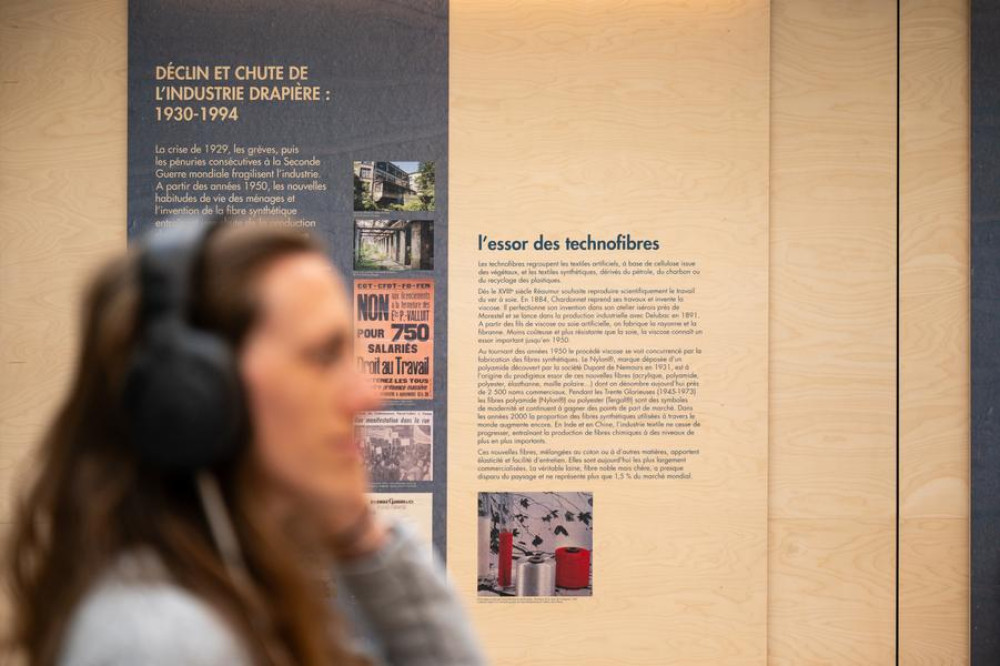
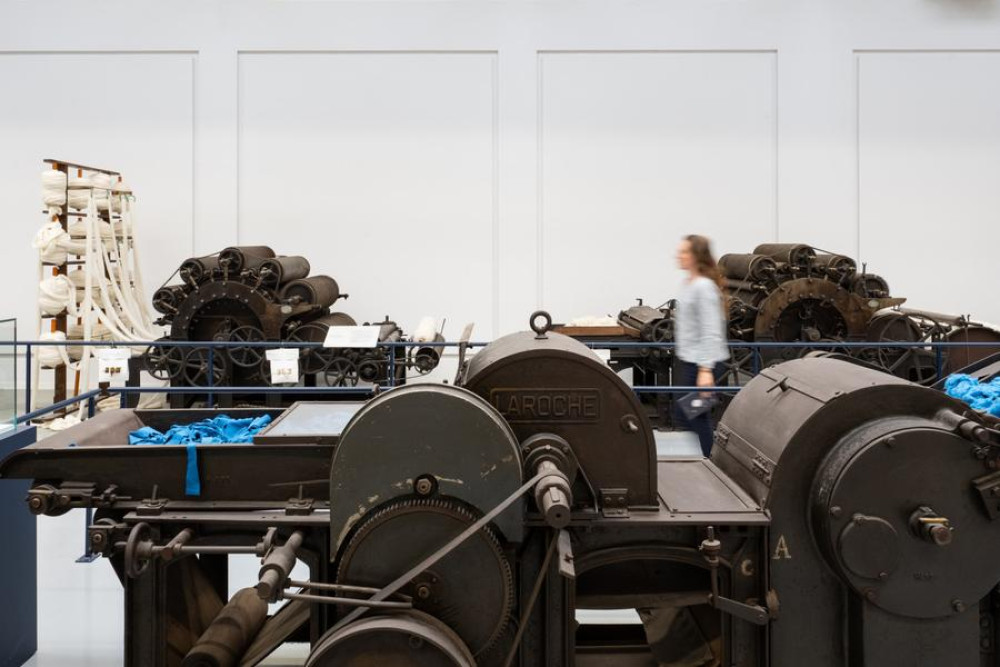
The museum recounts the history of the textile industry, which dominated economic activity in Vienne from the 18th to the 20th century.The collection of machines illustrates the entire textile production process, along with a large number of samples from the major Vienne factories.
Vienne is famous for its artistic and medieval monuments, but its industrial history is less well known. And yet, for over two centuries, the production of carded woollen cloth, including what are known as "Renaissance" fabrics, was the livelihood of a majority of the population.
A collection of machines, some still in working order, show how the fabric was made.
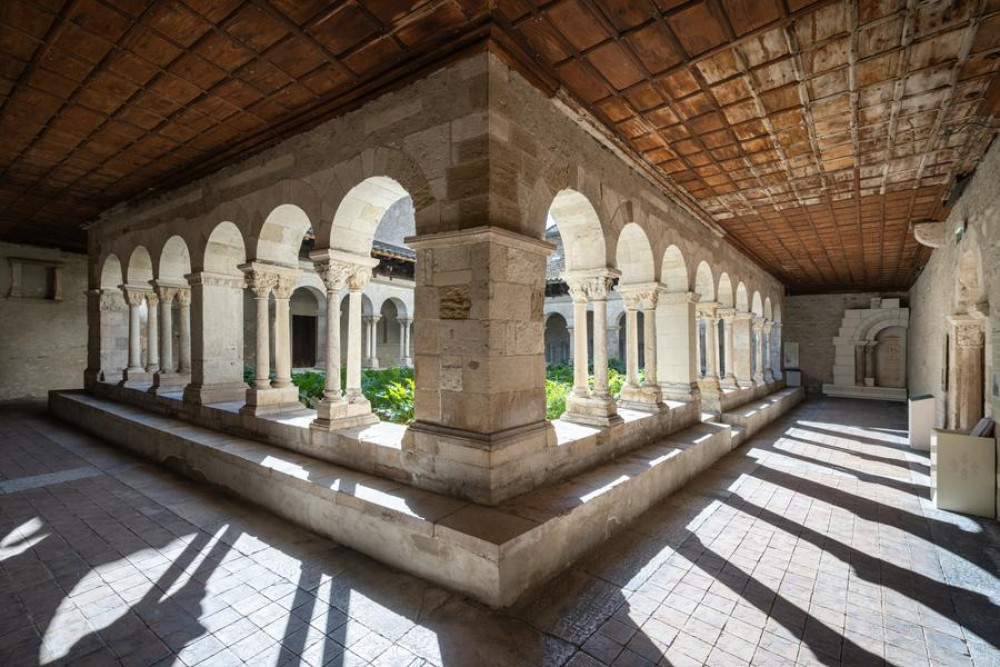
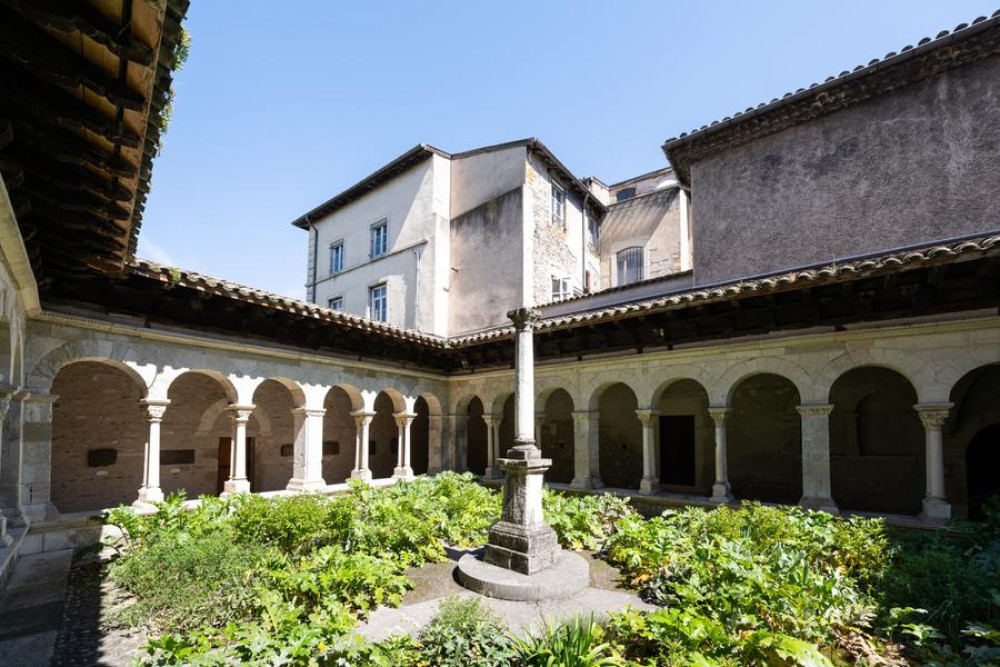
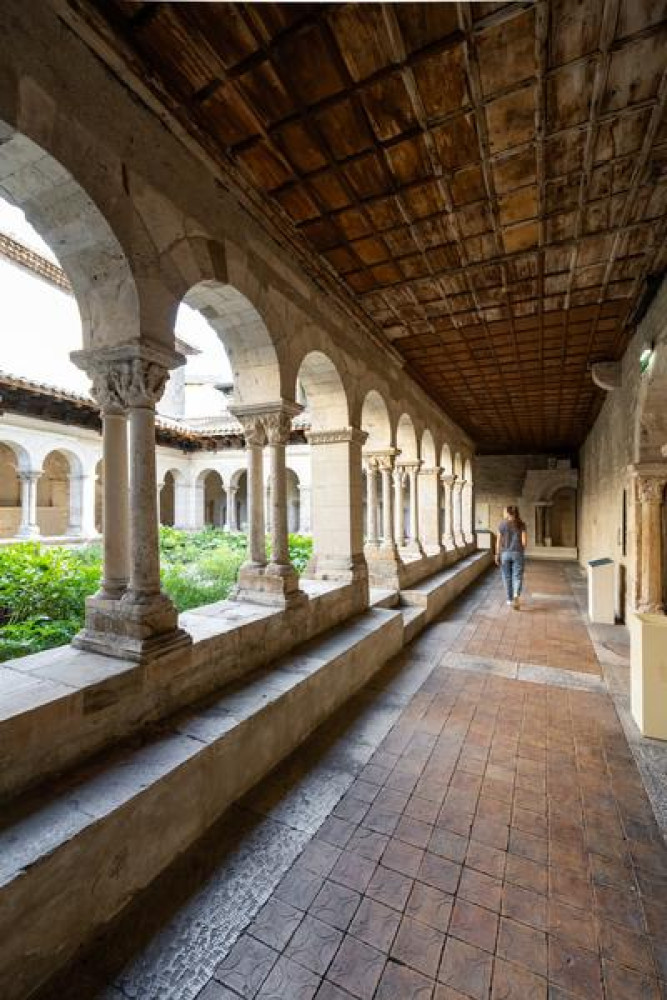
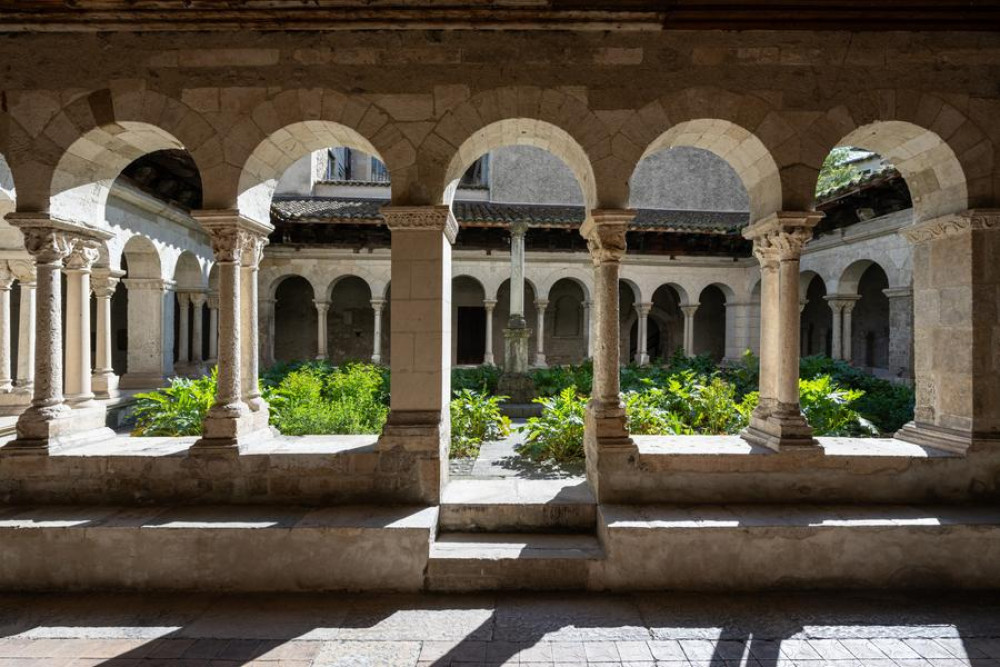
Saint-André-le-Bas Abbey was founded in the 6th or 7th century. It was one of the most important monasteries in the diocese of Vienne during the Middle Ages.Restoration work was launched by the Society of Friends of Vienne, with the architect Jules Formigé working on the cloister. The restored building was inaugurated in 1938.
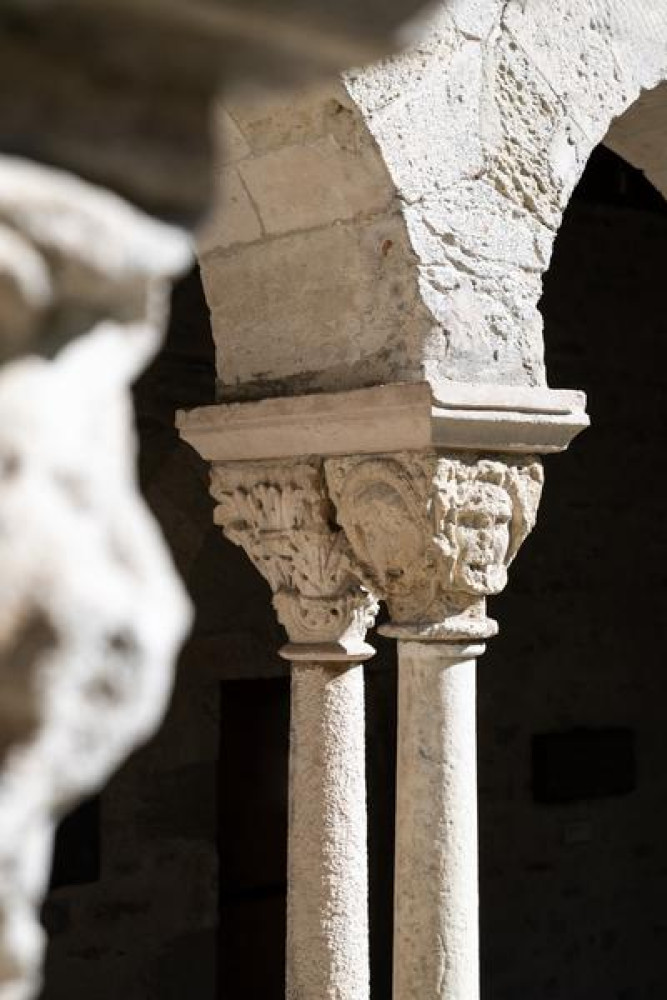
Restorations were again undertaken in 2011. The new museum staging features a selection of seven inscriptions relating to the history of the abbey and the district, as well as small columns from the church spire, together with some tactile elements.
The three rooms leading to the cloister entrance are devoted to temporary exhibitions taking place all the year round and organised by the Vienne museum conservation department.
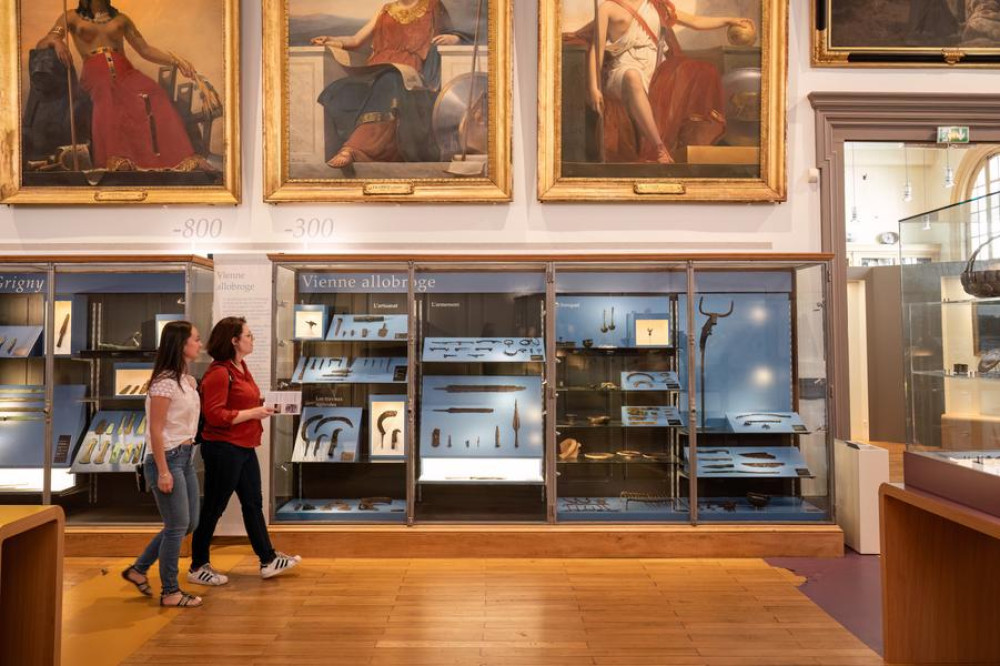
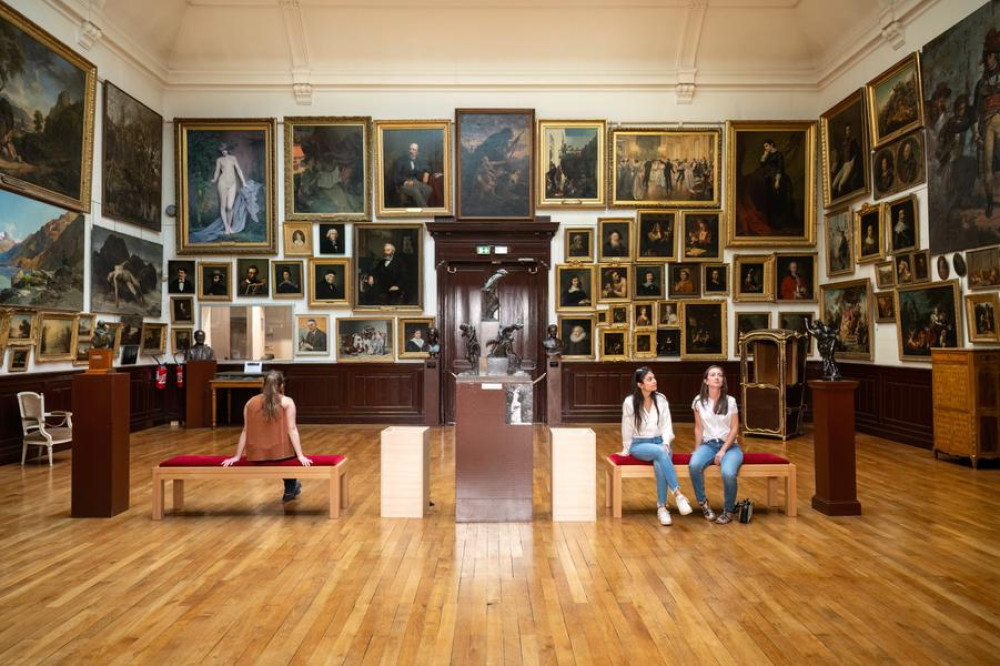
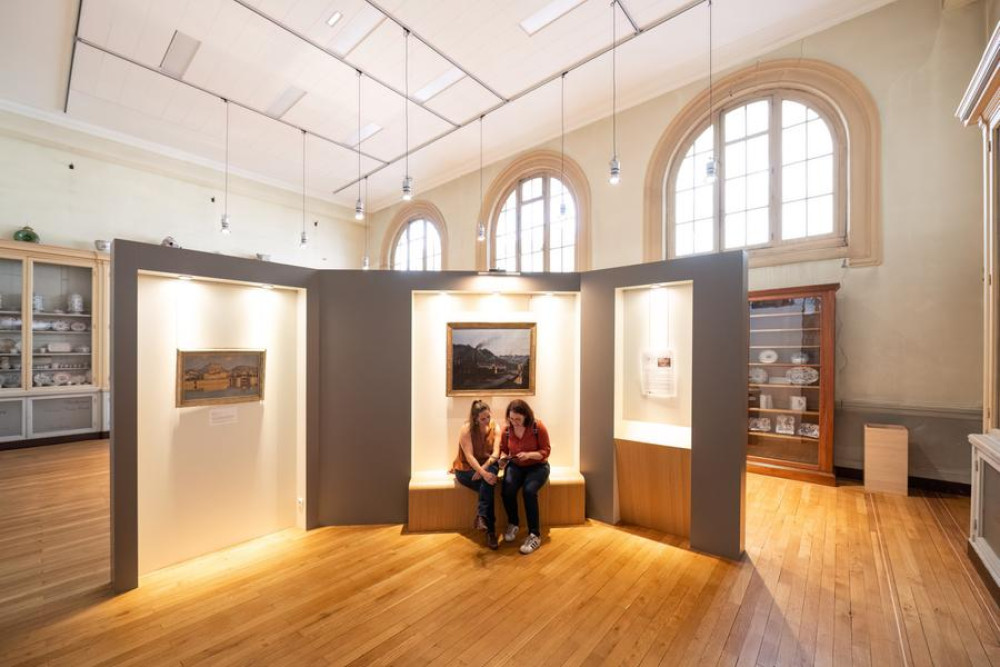
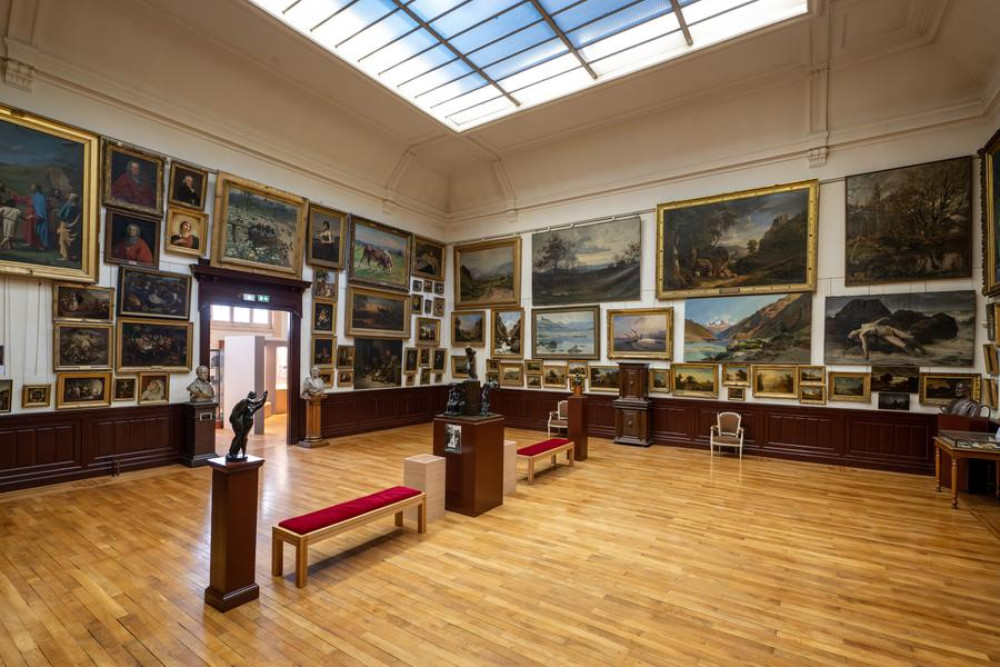
The museum occupies the first floor of a former grain market built in 1823. The archaeological collections illustrate the importance of Vienne as a powerful Gallo-Roman city, capital of the Allobroge Gauls.Inaugurated in 1895, the museum retains some of its display cases from that period, as well as a very dense presentation of the collections and a remarkable exhibition of paintings in a very tight layout where the paintings cover the entire walls.
The museum is divided into three levels, with collections dating from the Neolithic period to the 20th century.
Ancient period room: From the Roman period (from the end of the 2nd century BC), real masterpieces will be on display, such as the gilded bronze relief of the Dauphins submerged in the Rhône in the 19th century, the silver treasure from the Place Camille Jouffray, the bronze statue of Pacatianus and the silver casket from the finds on the Sainte-Blandine hill.
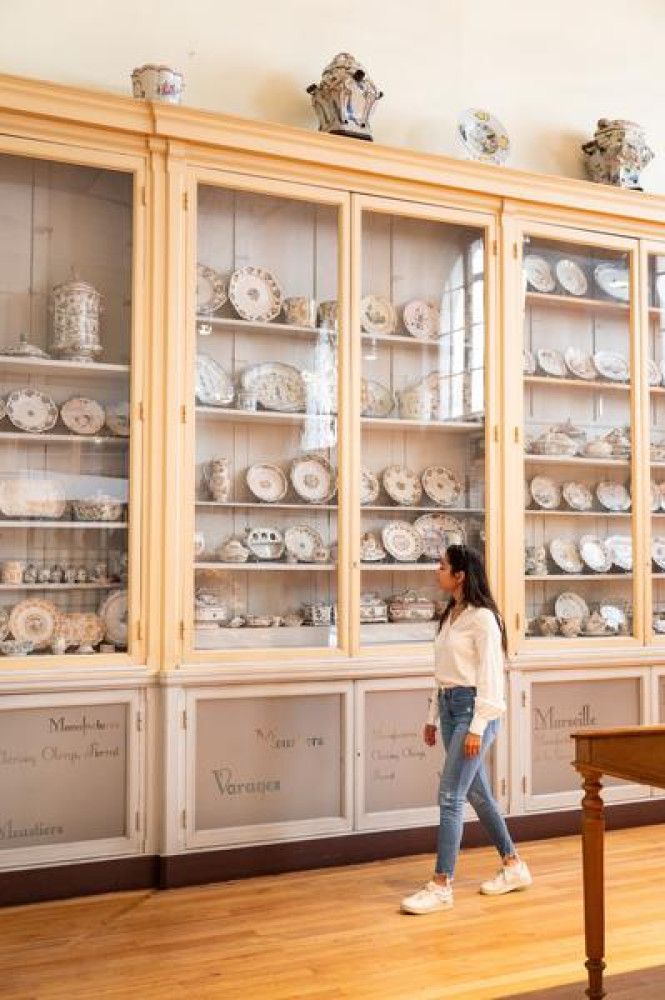
The Middle Ages and ceramics room: The Middle Ages are represented by a collection of holy water fonts, weapons and ornamental and sculpted elements. The collection of French earthenware is one of the largest in the Rhône-Alpes region.
The Salon des Peintures: The Salon des Peintures displays the typical layout of a museum as it was conceived in the 19th century, with a hierarchy of works according to genre. The paintings are mainly local, covering a period from the 16th to the 19th century.
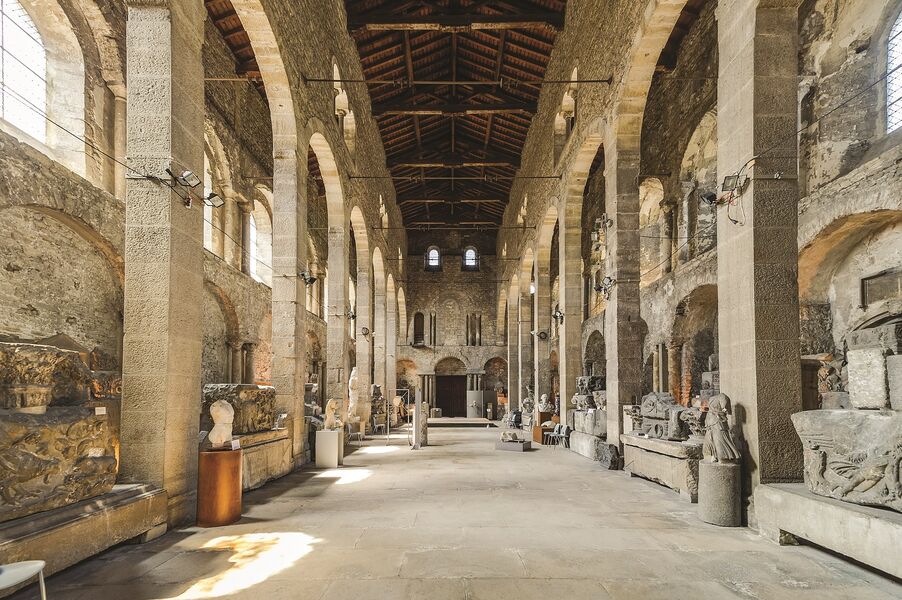
This is one of the oldest churches in France. In 1876, it was converted into a stone museum. It was redesigned in the 12th century, but has kept its original structure and basilical floor plan. The building symbolises a dialogue between rich and varied periods of history.After they were excavated, some pieces from the Gallo-Roman period (sculptures, Roman sarcophagi, inscriptions, amphoras, household and funerary decoration) were placed in Saint Peter's Church, which was deconsecrated during the French Revolution. These pieces have practically never been moved since, except for restoration work and cleaning.
The church still has its original basilical structure (the first stone is thought to have been laid in the 5th century). Early Christian sarcophagi show the influence of what was once a highly prestigious basilica. Christian prelates and dignitaries (Saint-Mamert, Saint Leoniano) were buried in St Peter's Church until the 9th century, a sign of their power and influence.Period of opening : From 01/04 to 31/10/2022
Opening hours on Tuesday, Wednesday, Thursday, Friday, Saturday and Sunday between 9.30 am and 12.45 pm and between 1.30 pm and 6 pm.
Closed on Monday.
Closed exceptionally on May 1st.Prices : Full price: 3 €
Reduced price: 2 €.
Free entry for children < 18 years.

Inside the 80 hectares site classified sensitive natural area since 2004, you cand find out 3 watercourses, water seepage as well as a tapestry of wet areas

 Isère Outdoor - Trace - Through orchards and heritage sites along the banks of the Rhône